How to Find a Water Leak
One quiet hour and your own meter show how to find a water leak: switch everything off, note the reading, wait, then compare. The meter only records water drawn through it, so movement with the house shut down means water is escaping the system. Local Burpengary Plumbing works across Burpengary and the suburbs around it, and we walk plenty of householders through this check over the phone.
If we're late, $100 comes off your bill

- Licensed and InsuredEvery job done by a licensed plumber. QBCC No: 15024607
- Fixed Quote FirstFlat-rate pricing, agreed before any work starts
- Lifetime Labour WarrantyBacked by our Fix-It-or-It's-Free guarantee (T&Cs apply)
- $0 Call-Out FeesNo extra charge for nights, weekends or public holidays

A bill that jumps when your usage has not is often the first hint. Unitywater runs a program that spots unusually high use and reaches out where possible, but the utility says not to rely on that alone. Reading your own meter is the dependable test, and a licensed plumber takes it from there.
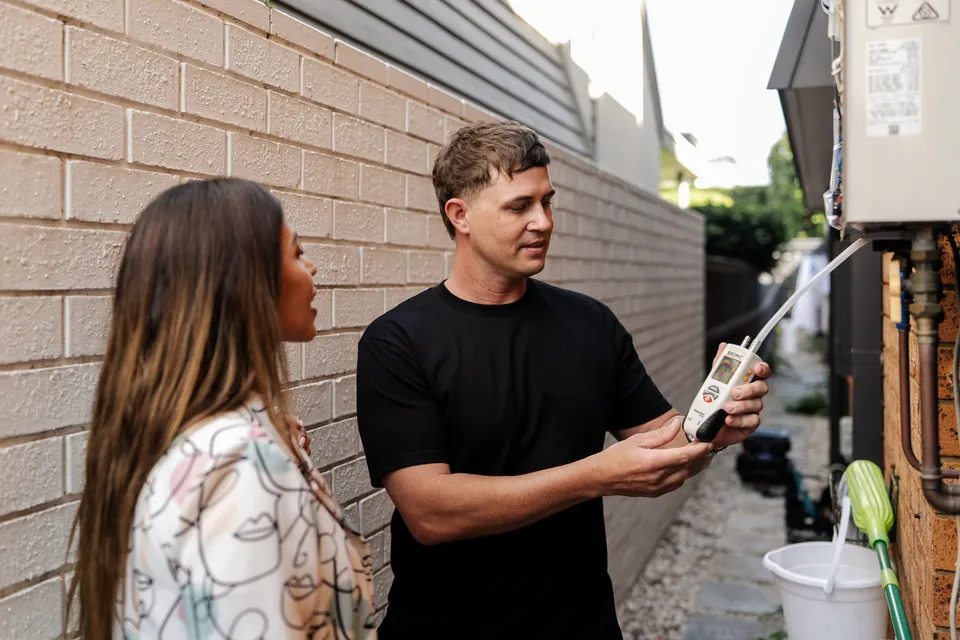
Start With a No-Use Meter Check
Start by switching off every outlet on the property: taps, the hose, the machines, the plumbed-in fridge and any irrigation. Leave the meter's own tap turned on. Photograph the numbers on the dial, including the small red digits, so you have an exact starting point.
Then leave the place alone for a full hour or more. Nobody showers, nobody runs a tap, and the dishwasher stays idle. Read the meter again afterwards.
If the reading has moved, water is getting out of the system somewhere. The meter cannot tell you where, so the room-by-room hunt below does that job.
Meter boxes in this part of Moreton Bay sit in the verge like anywhere else, but the ground around them behaves differently. Creek-flat lots hold shallow, wet subsoil for much of the year. That groundwater loads the underground pipework running from the meter to the house, which is one reason hidden leaks here are worth catching early.
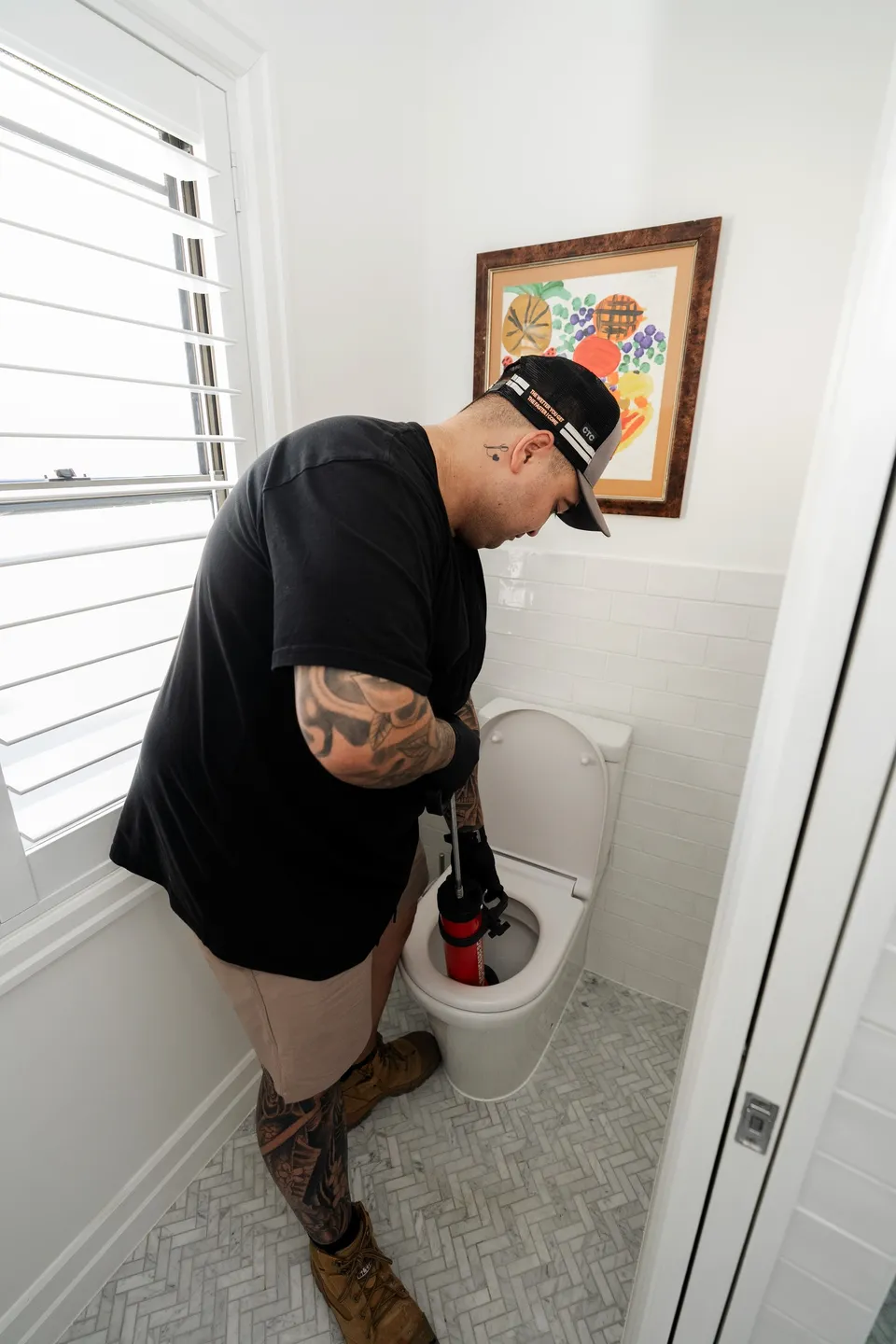
Room by Room Inside the House
Start indoors with the toilets, move to taps and showers, then the plumbed-in appliances, and finish on walls, ceilings and floors.
Toilet cisterns
drip some food colouring into the cistern, wait without flushing, then peek at the pan. Colour reaching the pan shows the cistern is losing water. Flush afterwards, because the dye does not stain ceramic.
Taps and showers
confirm each one shuts fully and leaves no drip on the spout or the floor below.
Appliances
look under and behind the laundry and kitchen appliances, plus any fridge with its own water connection, and check the hot water system for weeping fittings.
Surfaces
damp patches, stains, a musty smell, finishes that swell or peel, and a warm patch of floor over a slab all point to water where it does not belong.
One caution for the unsewered rural-residential blocks: wet-season rain can soak absorption trenches until a septic tank pushes effluent into the yard, and that is a different problem with some of the same symptoms. Soggy ground plus a slow toilet needs a plumber's eye either way.
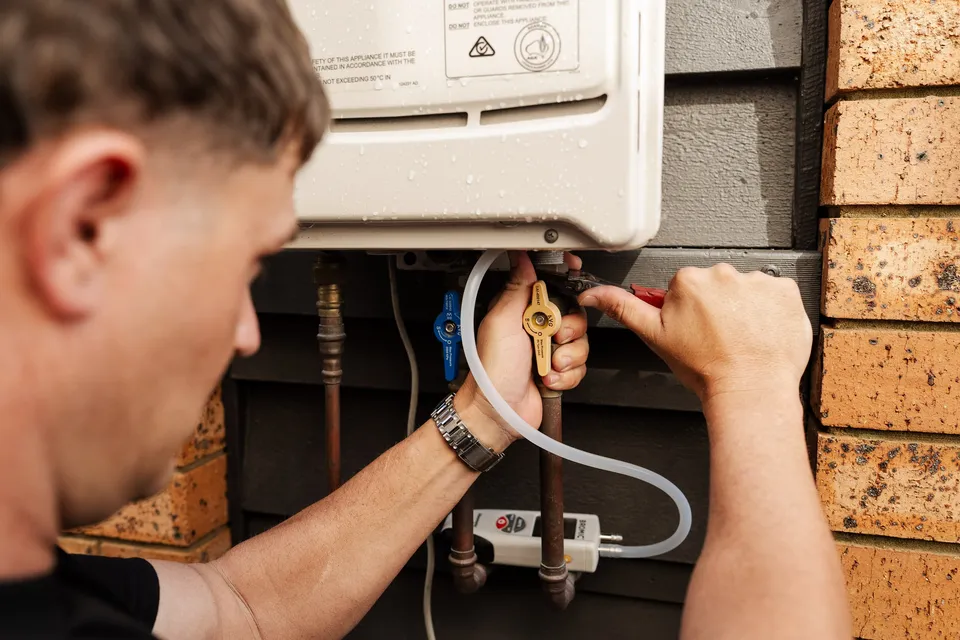
Garden Taps, Tanks and Other Water Users
Head outside and check the outdoor tap and the hose fitting first. One drip at a time, a leaking hose fitting sends a surprising amount of water into the ground over a season, and it is the easiest fix on the list.
Next, any rainwater tank. A tank linked to town water for backup can quietly top itself up when a solenoid or an internal valve wears out. Watch the tank's level between rainy spells, because a creeping level means town water is flowing in unasked. Your plumber checks that part.
Then look at the ground itself:
- lawn that stays soggy or spongy, especially in a line
- a strip of grass growing greener than the rest
- paving that has lifted or dropped out of line
If there is a pool, fill a bucket with water from the pool, sit the bucket on the steps, and mark the waterline on both bucket and pool. Leave it 24 hours with nobody swimming. If the pool has fallen further than the bucket, water is leaking from the pool; matching drops are just evaporation.
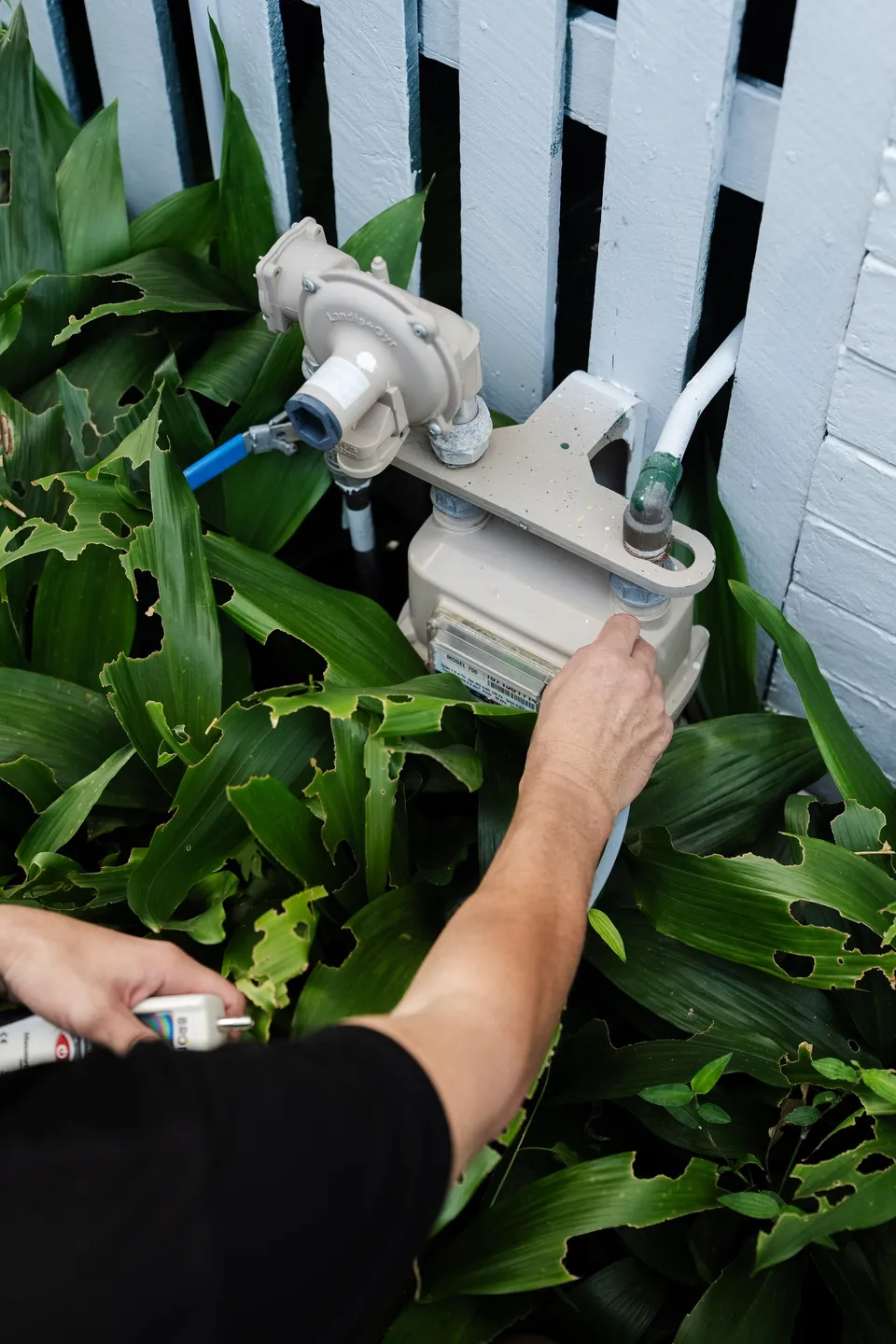
What the Search Tells You
The findings split two ways. A leak you can see at a fixture is almost certainly the one moving the meter, and the check will confirm it once the repair is done. If the dial keeps turning after the hunt finds nothing, the leak is concealed.
A concealed leak hides below paving, under the lawn or behind a wall. It can lose a huge amount of water every day before the bill or the damage shows up.
Either way, the repair goes to a licensed plumber. Queensland's regulator treats fixing a broken pipe as minor work for a licensee, with no permit and no compliance form attached. The QBCC lets an owner with the know-how swap a tap's washer or its jumper valve, or the washers and suction cup inside a cistern; everything past those small items is regulated work.
Ownership is simple. The pipes on the property side of the meter are yours to maintain, and that includes hidden leaks. Unitywater's responsibility for the street mains ends at the meter itself.
When to Call a Plumber
Ring us once the meter has moved, or straight away if you can see or smell water damage. We confirm the leak, then isolate sections of pipe, pressure-test each one, listen along the run and read moisture levels before we open anything. The leak detection page walks through that investigation and what the utility's side of the meter means for your next step.
Water Leak Questions Owners Ask
Call (07) 3524 7137How long should I leave the meter before checking it again?
Wait at least an hour with zero water use anywhere on the property. Unitywater's own advice says to check the numbers again after that hour. A changed reading points to a leak, so a licensed plumber should investigate.
The meter moved but I found nothing. What now?
The leak is hidden, likely under paving, below the lawn or within a wall. A licensed plumber closes valves to split the system into sections, pressure-tests each stretch and listens along the line before anything gets opened. Our leak detection page has the detail.
Who is responsible for a hidden leak in Burpengary?
You are, as the property owner. The pipes on the property side of the meter are yours to maintain, hidden leaks included. Unitywater looks after the public mains, and its responsibility stops at the meter.
How does a plumber find a leak I could not?
We confirm it with the meter first, then close valves to work through one stretch of pipe at a time and pressure-test each stretch. Listening along the run and reading moisture levels narrows the spot before we open anything. The leak detection page covers the full approach.

Ring Us About the Meter ResultWe'll call you back.
Call (07) 3524 7137 to book a plumber in Burpengary. We're available 24/7, with $0 call-out fees, flat-rate pricing and same-day where we can.
To claim your $0 call-out fee, call (07) 3524 7137 today.